
The MEGA pivot to AI
Sponsored By

The most powerful man in AI got taken out by the oldest exploit in the book.
Jensen admitted one affair, the NYT found another, and he resigned today. Nvidia lost $740B+ in a single week!
Cheating is cheating. No defense there. But this is a loss for decentralization.
Jensen was the most powerful voice for open-weight AI on the planet. His first-ever tweet was a 25-company letter telling DC not to ban it.
Everyone who wanted them locked down definitely used the opportunity to max.
Here’s what we got today:
- Explaining MEGA's AI pivot. And why that could be a good thing.
- Updates from Ethereum Devcon. The things I liked and things I hated.
- Around the web. Aave is entering fixed lending, Solana Labs unveiled a trading app, Coinbase's new bank license, and more.
Today’s email is brought to you by Katana — the DeFi-optimized chain
Here's your Edge 🗡️!
Update
What's MegaETH Building for the AI Sector?
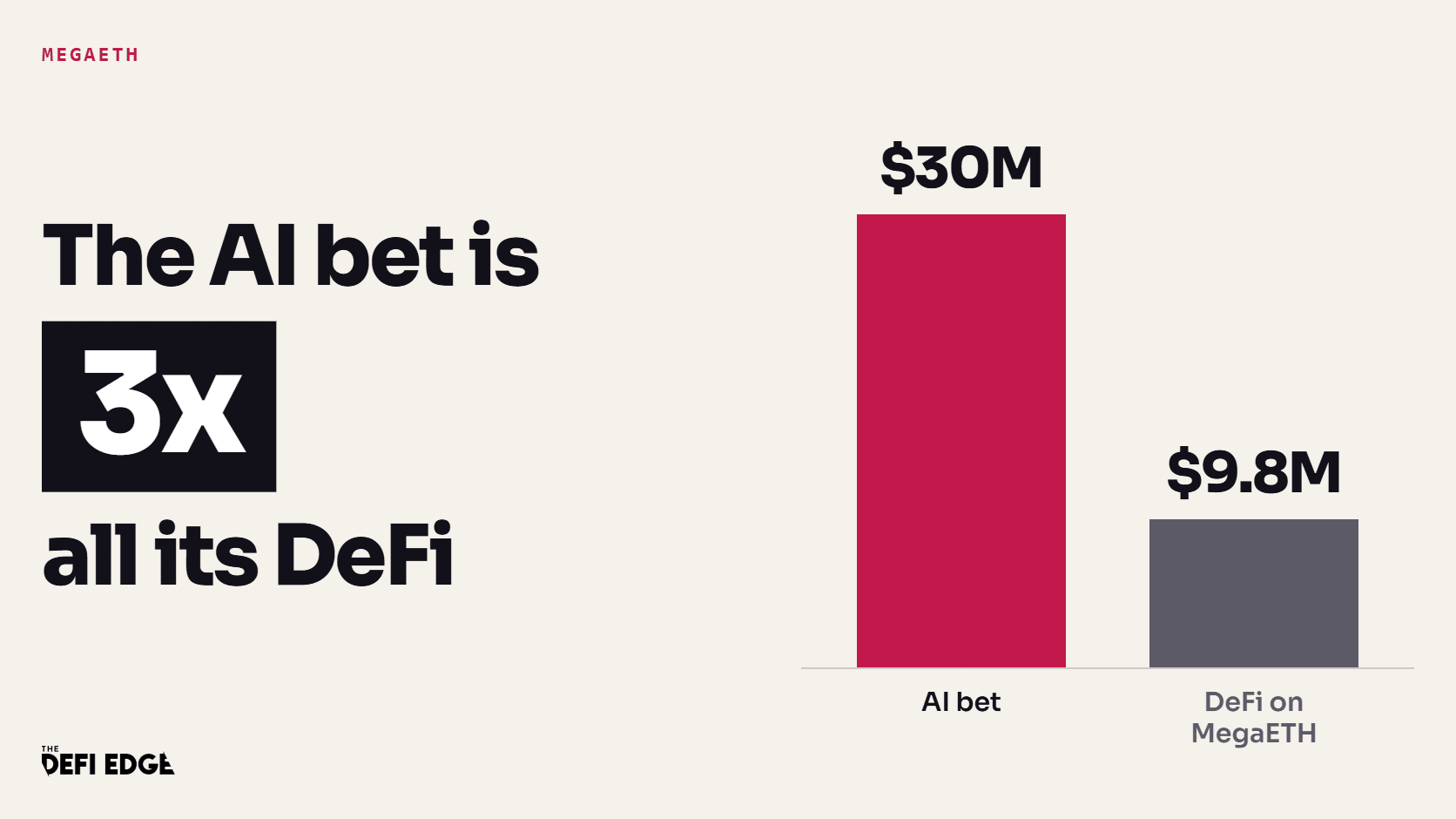
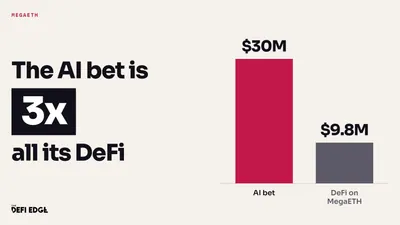
MegaETH just committed$30M to AI inference, which is about 3x all the DeFi money sitting on its own chain.
So is this just another team chasing a hot narrative?
Honestly, yes, and I don't think that's a problem. Blockchains can't get away with being just "infra" anymore. Bros, we don't need another layer 1 or layer 2 at this point.
What chains need now is apps people actually want to use, built for the long term, and bonus points if they're doing something new. After reading the whitepaper, I think MegaETH is.
Btw, inference just means running a trained AI model to get an answer, so every time a chatbot replies to you, that's inference.
Open-weight models turned this into a real market, because anyone with enough GPUs can serve the same model.
One model now sells at a bunch of different shops, and marketplaces like OpenRouter route your request to one of them. But there's a big problem with that setup.
Buyers don't give all inference sellers an equal chance
On OpenRouter, StreamLake and Novita quoted GLM-5.2 at5 to 10% of what its own builder charges, according to research from Robot Ventures (a MegaETH investor, so keep that in mind).
You'd think a 90% discount would pull in every customer, but it doesn't, because you can't trust what you're buying.
It's like buying AirPods on a sketchy website for $12. Sure, they're cheap... but are they actually AirPods?
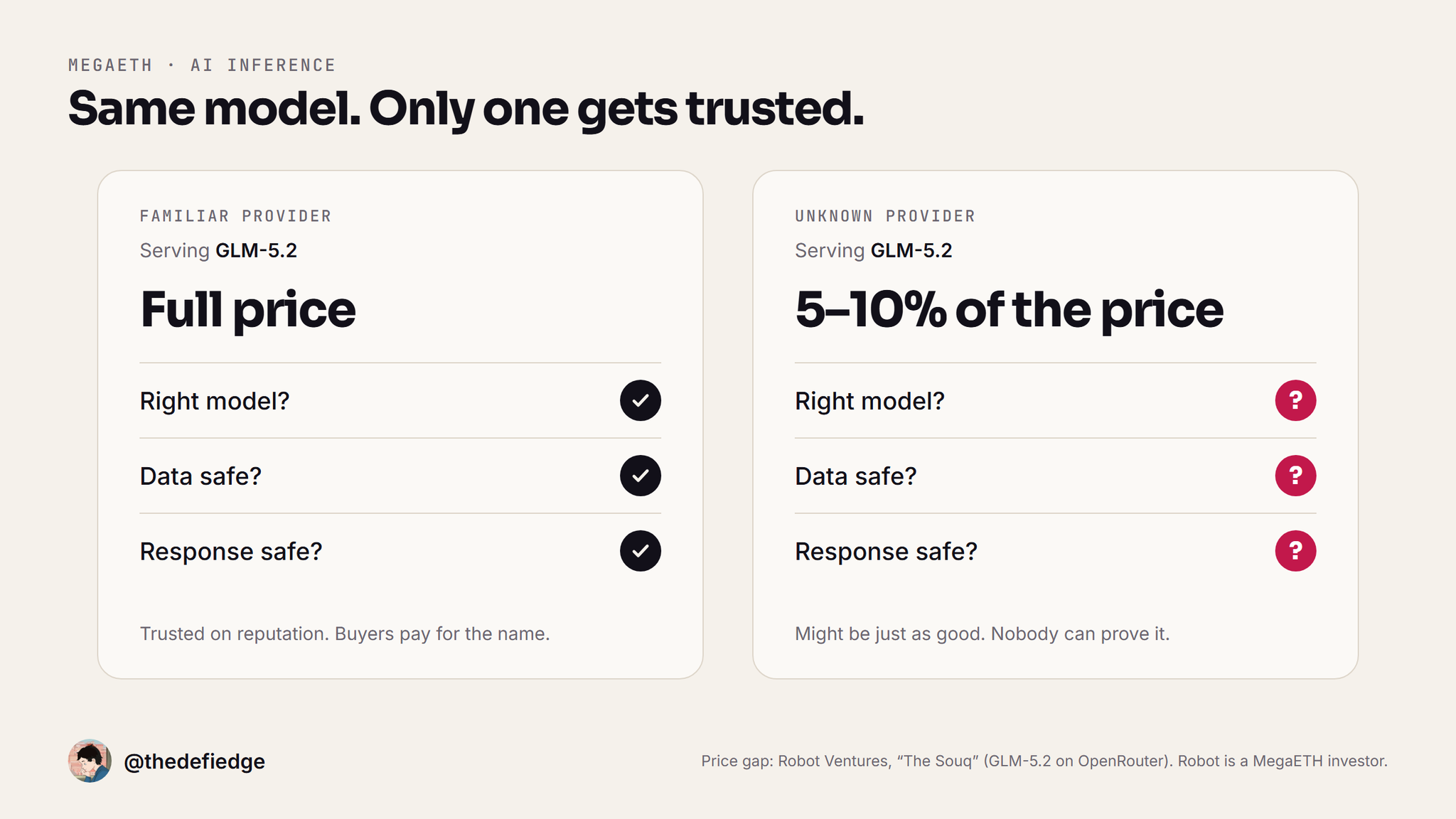
Same model from two sellers, and the cheap one still loses because buyers have no way to verify it.
A provider can quietly swap in a cheaper model, and researchers found that software-only tests can't reliably catch it.
You also don't know what happens to your data, or whether a response is carrying hidden instructions for your agent.
Even the discount can be fake.
Robot also found cases where a provider charging 50% less actually ended up costing more, because it billed repeated text at the full rate instead of the cheaper cached rate.
So the cheap provider keeps losing, simply because nobody can prove it's any good.
MEGA's fix: Purified Intelligence
Yes, it sounds like bottled water. The idea is pretty simple though... make it so you don't have to care who the provider is.
We'll have to wait for the December launch for the full details, but here's the rough plan.
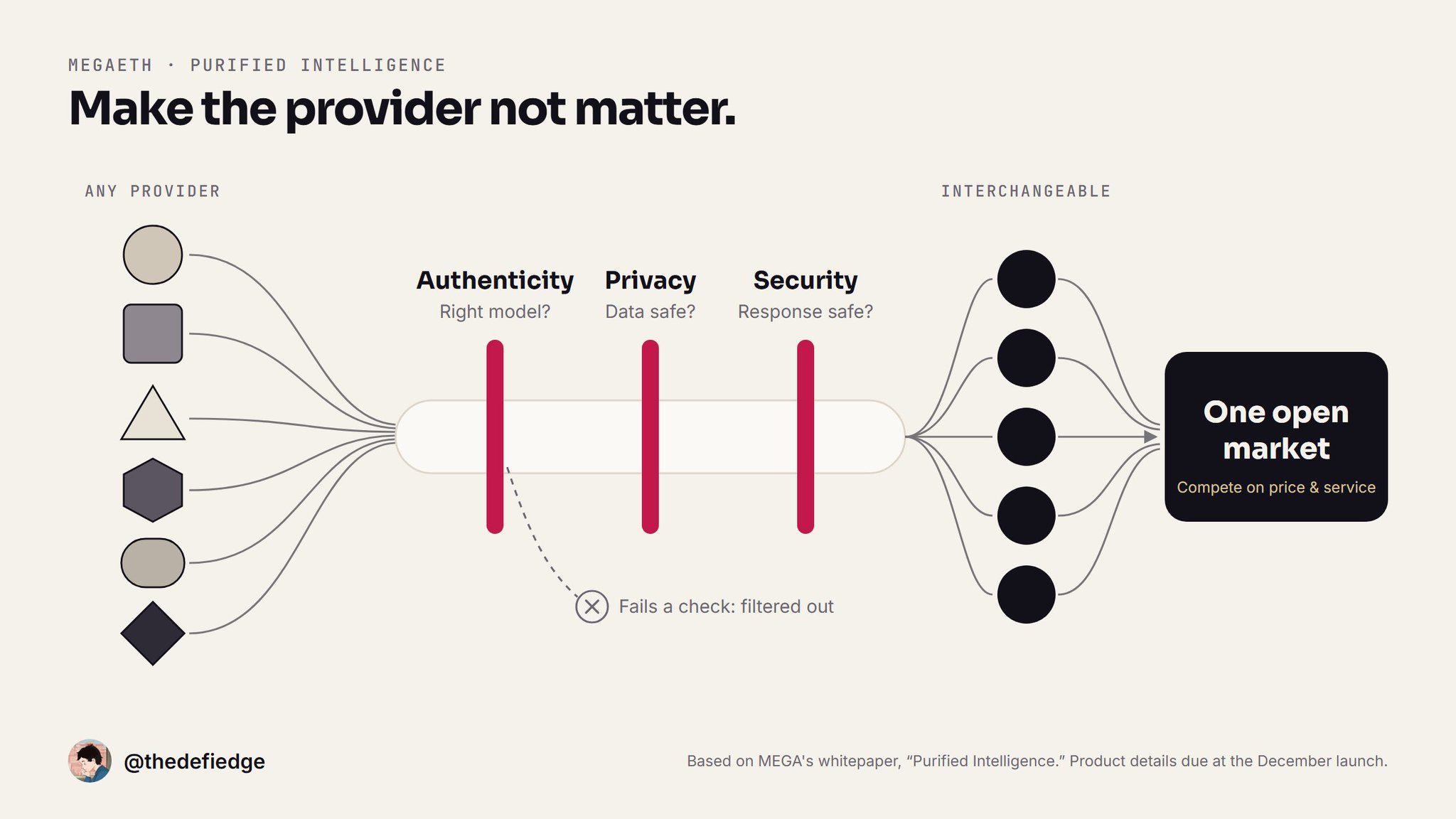
The idea is to filter every provider until the buyer doesn't care who served the answer.
The whitepaper names the tools they'll use, like model fingerprinting, secure hardware, cryptographic proofs, redacting sensitive data and filtering responses.
The part I found most interesting was forward commitments. You buy a set amount of AI for a set window, at a set price and service level, which lets providers plan their capacity around that demand and even borrow against it.
Once those contracts are standardized, they become tradable, because any qualifying provider can fill one even if the providers themselves are different.
Yes, I'm about to compare AI to rice. Stay with me.
Rice traders actually figured this out back in 1730, when the Dojima Rice Exchange in Osaka became the world's first licensed futures market.
Nobody made every sack of rice identical, they just made the contracts identical.
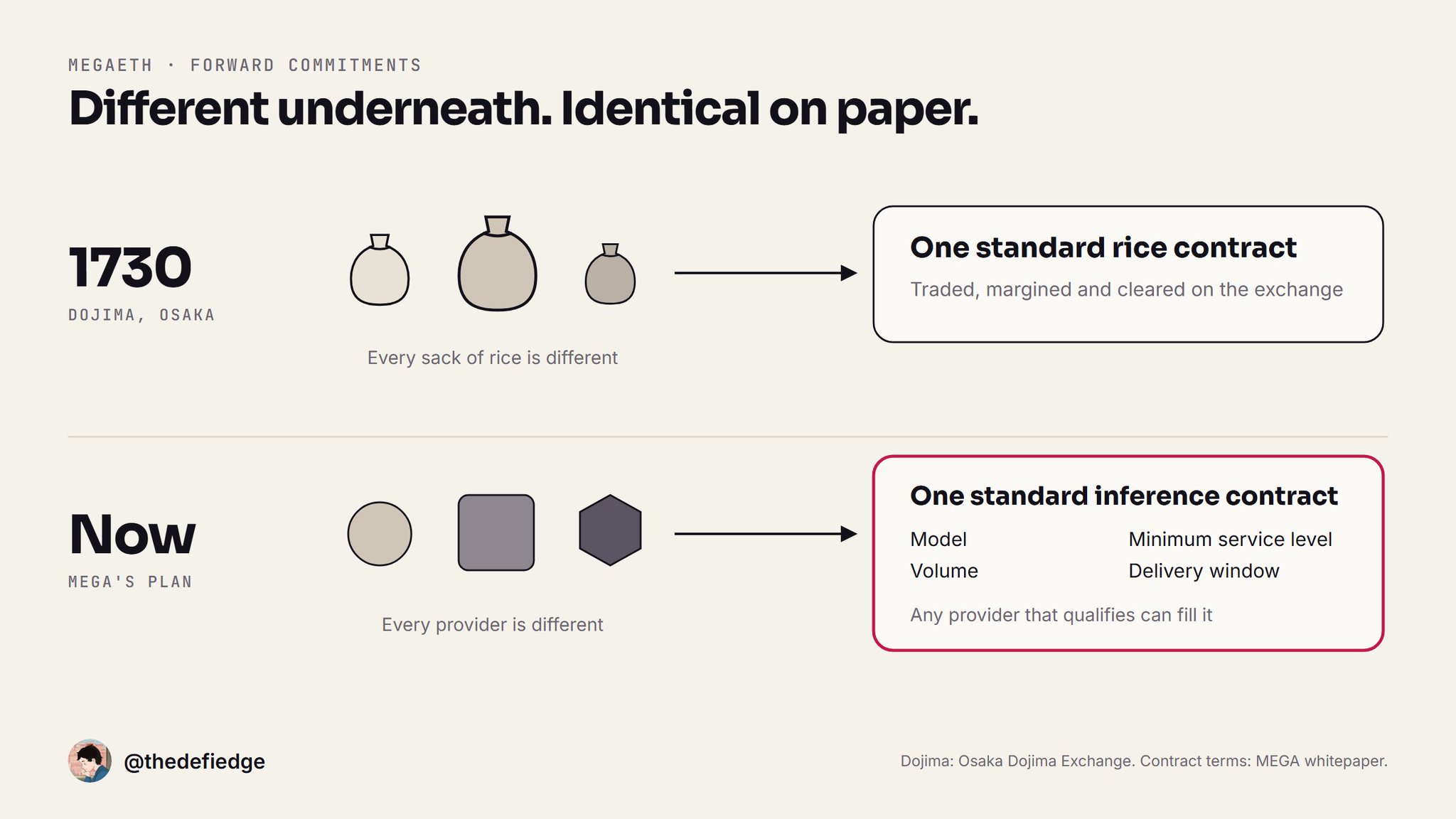
Osaka did it with rice in 1730, and MegaETH wants to do it with AI.
Verified AI on its own isn't new, since NEAR AI already returns a hardware-signed proof with every response. What's new here is selling verified AI as contracts you can trade.
Why is a blockchain team building this?
Imo, their existing products (blockchain & USDm) don't have enough traction to justify their valuation.
The chain holds $9.8Min DeFi TVL against a $441Mfully diluted valuation (the value of every token that will ever exist, at today's price), so they're creating another product with far bigger potential.
The chain has a job here too.
Tradable contracts need shared records, clear rules and automatic payments, which is the kind of work a blockchain does well, and MEGA says upgrades like fast finality (transactions becoming final quickly) will support the product.
I like this approach. Most chains only build infrastructure and hope someone else shows up with apps, while MEGA is building its own apps that can turn into extra revenue lines.
For $MEGA holders, only one revenue line feeds the token today
MEGA says it has no equity owners and is aligned with $MEGA, so the token is the only way to get exposure to whatever they build. These are the revenue lines it points to:
- Yield from USDm
- Sequencer revenue (fees from ordering transactions on the chain)
- Proximity Markets (planned)
- Inference market revenue (planned)
Only the first one feeds the token today, since USDm yield funds $MEGA buybacks.
The team plans to run sequencing at cost, so I wouldn't count on much there, and Proximity Markets should feed buybacks too once they exist.
For inference, the team says it'll use the token "wherever there are ways to utilize" it, which honestly tells me very little so far.
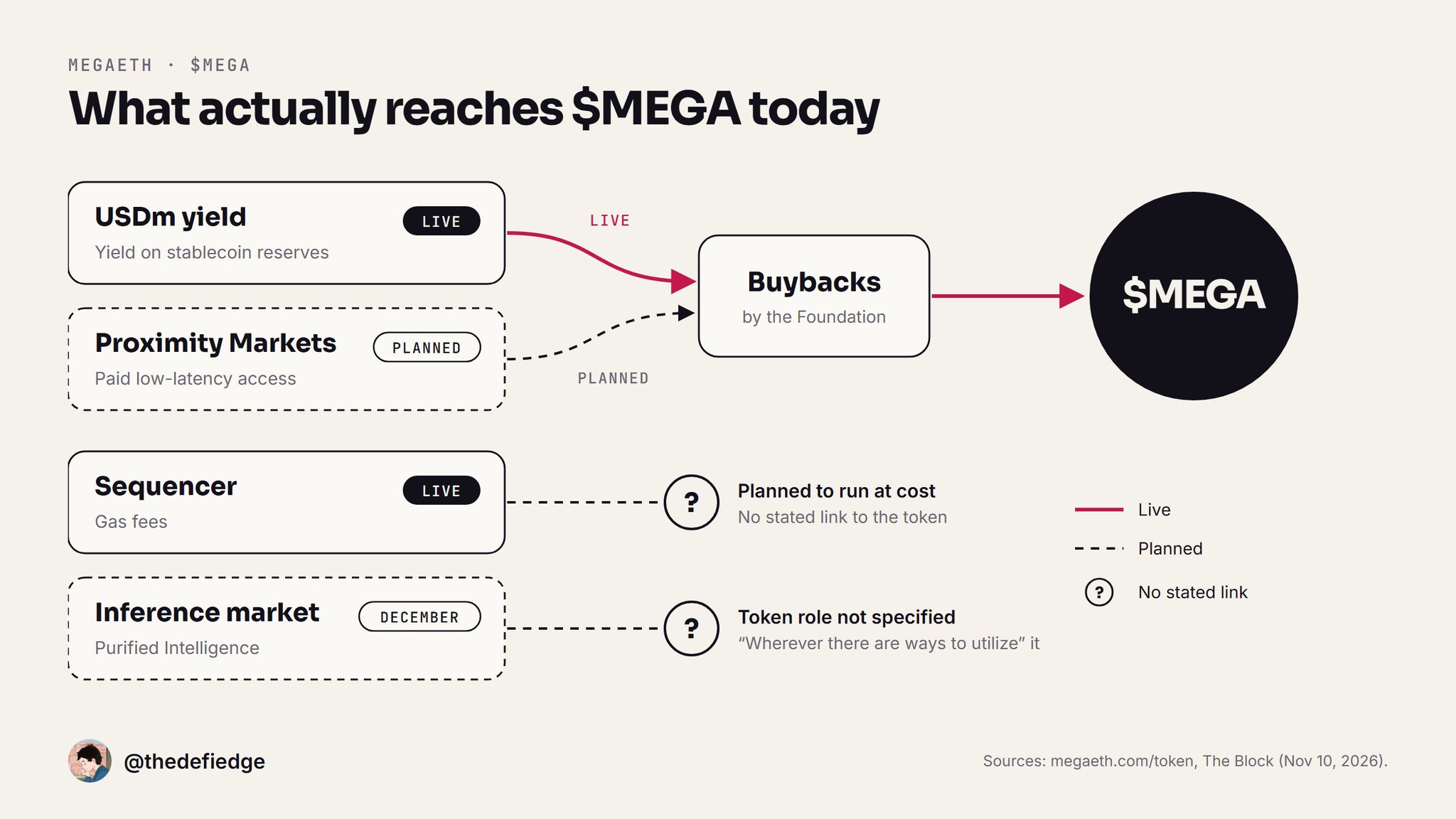
What reaches $MEGA today: only USDm yield, through buybacks.
So if you're sizing up $MEGA, I'd value it on the USDm buybacks you can see today and treat the inference market as upside that only counts once the team shows exactly how money from it reaches the token.
Will it get traction? I honestly don't know, and nobody will until the December launch.
Yes, it's narrative chasing, and I'm fine with that
Whatever MegaETH builds on top is better than sitting around as another L2 (a network built on top of Ethereum) that nobody uses, and trust me, we have plenty of those.
I'd ask the same two things of any chain you hold that launches a shiny new product... does the product give the chain a real job, and is there a clear path for its revenue to reach the token?
MEGA has a solid answer to the first one, and the December launch should show whether it has one for the second.

This issue
Sponsored ByThe most powerful man in AI got taken out by the oldest exploit in the book.Jensen admitted one affair, the NYT found another, and he resigned today. Nvidia lost $740B+ in a single week!Cheating is cheating. No defense there. But this is a loss for decentralization.Jensen was the most powerful voice for open-weight AI
- Explaining MEGA's AI pivot. And why that could be a good thing.
- Updates from Ethereum Devcon. The things I liked and things I hated.
Next issue:
Free · every Thursday
Enjoying this issue? Get the next one by email.
Each Thursday Edgy explains what happened in DeFi and what it means for you. About 7 minutes. No shilling.
“No BS, solid analysis, not pressing me to buy.”
Reader survey
Written by Edgy · 15,000+ readers




Sponsored by Katana
Subject Line
Most chains build the roads and let someone else run the toll booths.
That's been the wrong bet this cycle. The biggest winners were apps. Over the past year, Hyperliquid kept $658M in revenue and pump.fun kept $330M. Ethereum, the biggest SC chain, only kept $48M.
TLDR: value is flowing to whoever owns the app layer.
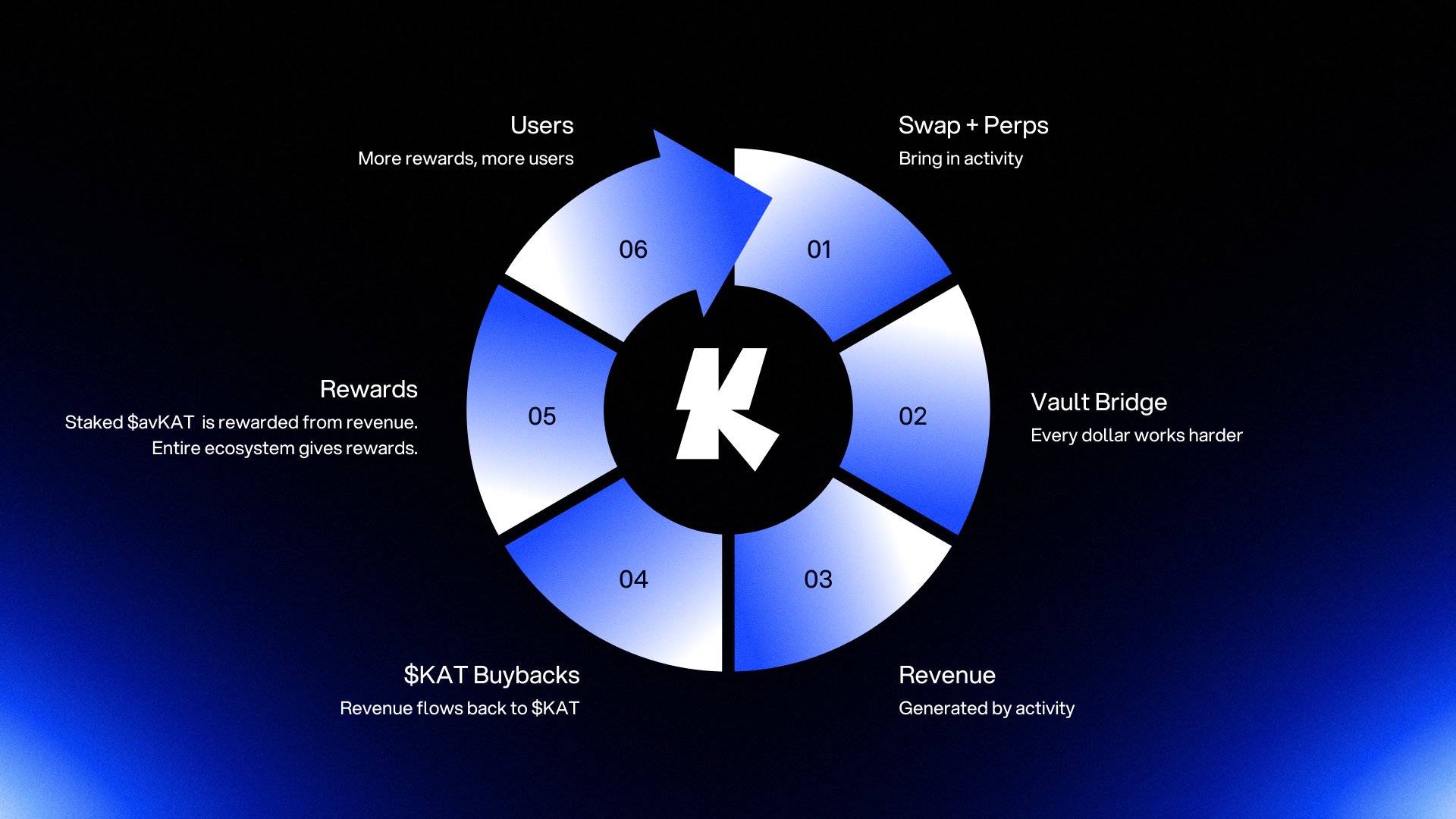
So Katana bought its own. Three acquisitions put its core DeFi stack under one roof:
- Katana Swap (its Sushi deployment) for spot trading
- Katana Perps, built by the IDEX team
- Vault Bridge, which puts bridged capital to work
But owning the apps is only half of it. The fees have to reach the token, not fund another founder’s mansion.
Starting Nov 17, a share of fees from all three, plus sequencer fees, funds $KAT buybacks. They run on a schedule at launch and move to fully automated onchain execution later.
100% of the bought-back $KAT goes to $avKAT stakers and compounds automatically. The fee-free unstaking window drops from 45 days to 7.
Conference
Devcon 8 Recap: A Worthy Goal, a Messy Week

Ethereum Devcon spent four days preaching tech you can trust.
Then, on the last day, the Ethereum Foundation asked app developers to check whether its next upgrade breaks their contracts. Awkward timing? Sure. But it's also the most honest preview of where Ethereum is headed.
For context, Devcon is Ethereum Foundation’s annual global conference. It ran Nov 3 to 6 in Mumbai, the first Devcon in India, with 370 sessions. Here are three things I liked. And two concerns.
✅ L2 fragmentation finally got a live answer
Fragmentation was the biggest bear case against ETH last cycle. Liquidity split across dozens of rollups, and mainnet watched value leak away.
At Devcon, the Ethereum Economic Zone (Gnosis and Zisk, co-funded by the EF) ran live demos. In one, a rollup user filled a CoW Swap order with mainnet liquidity and got the tokens back on the rollup, in a single transaction.
If that works at scale, L2s stop draining Ethereum and start feeding it. Big if. It's still a devnet, and it leans on real-time proving holding up. But we've waited years to see this run live.
✅ Ethereum doubled down on its lane: CROPS
Censorship resistance, open source, privacy, security. Vitalik's keynote pushed verifiable hardware, privacy across the stack and trustworthy AI. Privacy got a full track, not a side stage.
My take: everyone else is racing to feed centralized labs your data for a productivity bump. Ethereum is going the other way, building a neutral layer anyone can depend on. It's a great niche.
That's very aligned with the store-of-value pitch for ETH as well. And imo, that's the niche Ethereum needs to target if it wants to win.
✅ AI is now building Ethereum
About 1 in 4 sessions (86 of 370) touched AI or agents, per the Devcon schedule. Not just hype, either. Client teams talked about shipping code in Teku with LLMs and running AI vulnerability scans on Lighthouse.
AI-powered development is very bullish. That matters for a chain whose biggest knock is how slowly it ships.
⚠️ Glamsterdam turned into a fight
What happened? Glamsterdam, Ethereum's next upgrade, makes writing new data to the chain far more expensive. A fresh storage slot goes from 22,100 gas to 110,020. That's what lets Ethereum lift the gas limit toward 200M without bloating the chain.
The catch: some live contracts assumed the old prices, and contracts nobody can edit can't be patched.
This wasn't hidden. The proposal itself flagged it over a year ago. In October, ChainSecurity mapped eight assumptions it breaks, and the testnet fork got postponed.
It blew up right as Devcon wrapped. Curve's founder asked Ethereum not to break the chain. Security researcher pcaversaccio argued it fails CROPS. The EF has since received four reports of deployed contracts at risk.
What's next? Audits land Nov 13. Devs discuss on Nov 16 and 19, with no decision pre-committed.
⚠️ Not much for the people using Ethereum
The main stage was protocol, privacy and governance. Tokenization, RWAs and stablecoins, where the money is actually flowing, barely showed up. The one RWA talk I flagged asked whether RWAs can even be CROPS-aligned.
App talks existed (DeFi exit tests, prop AMMs, prediction markets). They just weren't the headline. And none were built for the average user.
The hard part of a worthy goal
Ethereum's CROPS goal is worthy. It's also brutally hard.
Glamsterdam is a preview: one upgrade, two legitimate sides. That's what building decentralized neutral infrastructure looks like. Slow, public, and messy.
Hopefully, devs will figure out a good solution.
🚀 DeFi Catalysts
Aave Labs just bought Avon to bring fixed-rate lending to Aave. Avon's founder Prince Sinha and Ayush Kaul join Aave's engineering team.
Gnosis Chain is ending its run as an independent L1. In spring 2027 it hard-forks into an L2 inside the Ethereum Economic Zone, keeping its balances, addresses, chain ID and xDAI gas token.
Solana developers proposed retiring durable nonces, the feature the attacker used to get pre-signed transactions past Drift's multisig in the $270M April hack. SIMD-0723 would make every transaction use a recent blockhash, with mainnet activation no earlier than May 2027.
Fomo turned X cashtags into buy buttons for Solana tokens. You see a ticker on X, tap it, and you're one step from holding it.
Telegram messages can now become instant apps with payments built in. They load in under 4 KB and render natively in the chat.
ZetaChain's ZETA becomes a native Solana token on December 9, converting 1:1. The same day it launches ZetaLabs, a private AI chat with live market data, powered by ZETA.
🆕 New Launches
Solana Labs unveiled Leap, a mobile trading app for tokenized stocks, ETFs, commodities, currencies and crypto. Early access is open now.
JTX went live with tokenized equities trading, letting users trade US and international stocks tokenized by Backpack and Ondo. Quotes come straight from the issuers through RFQ.
📰 Industry News
US Treasury has effectively blacklisted MEXC, citing $16B+ in illicit flows. If you hold funds there, US banks and payment rails can't touch the exchange anymore.
Coinbase is now a federally chartered trust bank. It plans to move its New York custody business over three years.
NYSE picked Avalanche to settle trades on its planned 24/7 tokenized stock platform, after about a year of testing. The venue still needs regulatory approval.
401(k) crypto rule reached the White House for final review. Once it clears, the Labor Department can publish it, and plan sponsors get a clearer path to offering crypto.
China's central bank opened an investigation into Solana after authorities shut down its Shanghai promo event. In-person Solana events in China are halted.
South Korea proposed pushing its 22% crypto gains tax to 2029, with a three-year loss carryforward. It's the fourth delay since 2020.
Elizabeth Warren is expected to chair the Senate Banking Committee after Democrats took the Senate. That puts crypto's loudest critic in charge of market structure.
GromaCorp launched a permissioned GRO/USDC pool on Uniswap, so verified investors can buy and redeem equity in its multifamily real estate trust onchain.
🧹 Cleanup Crew
NEAR Intents refused over $500M in quotes from the Binance hackers since the hack.
North Korea is minting throwaway memecoins to launder the Binance hack, Elliptic says. About 117,000 NEAR (~$430K) went through six new tokens.
🚨 Rekt Report
Initia was hacked for the second time in three weeks, losing ~$3.27M after an attacker used a compromised Google Cloud key.
Cosmos users lost ~$3.16M from 41,500+ wallets on Osmosis, the Cosmos Hub and Injective in an ongoing drain. The attacker is now testing a tool to grab staked ATOM in batches.
Arcus lost $2.23M in USDG when a new account used a subaccount transfer bug to inflate its balance and withdraw. A bridge rate limit blocked another $3M, and Arcus covered the loss from its treasury.
DarkSword, the iPhone exploit kit, has drained at least $4.06M in USDT from 365 TRON wallets, per Bitquery. One Safari visit on iOS 18.4 to 18.7 is enough to steal seed phrases.
Ankr's Ethereum bridge was drained of ~$292K, Blockaid flagged. The attacker used a tiny Optimism deposit to unlock the bridge's full locked inventory.
Binance's hackers swapped 42M XRP ($50M), mostly into Bitcoin through THORChain, Elliptic says. Converted Bitcoin from the hack now sits at 1,650 BTC ($124M).
Acala and Karura will stop producing blocks on Feb 10, 2027, pending governance. Unbond LDOT by Jan 12 and LKSM by Feb 2, because ACA and KAR can't be withdrawn.
Galxe, which served 36M users through quests, is shutting down its quest products and folding the brand into Gravity. The G token doesn't change.
Suiet wallet support ends after Nov 14. Back up each account's recovery phrase and import it into another Sui wallet.
📉 Down Bad
Gnosis Pay had a card platform breach that exposed customer information on its branded B2C cards. Funds weren't affected, and that platform was already set to shut down on Dec 20.
Keplr users with Google or Apple login got hit with unauthorized transactions. Don't send new funds to those accounts or re-import them anywhere.
Web3Auth, the login layer behind Keplr's social sign-in, paused its embedded wallets over a security issue.
Chainalysis now says the breach exposed password hashes and live tokens for all users, beyond the names and emails it first reported. Password resets and API key rotation are required.
Bitcoin Core revealed a high-severity mining bug a year after fixing it if you run a node on an old version; update.
NEAR AI was breached through SGLang, the inference engine it runs. Service is restored.
Ledger's signing SDK has been quietly reporting transaction data to Ledger by default, an Ambire developer found. Recipient addresses, contracts, and device info go out with every signature in wallets on the latest kit.
🐦⬛ X Hits
- How to think about "liquidity".
- Banking will be here, but today's banks may not.
- How all L2s will become one chain on Ethereum.
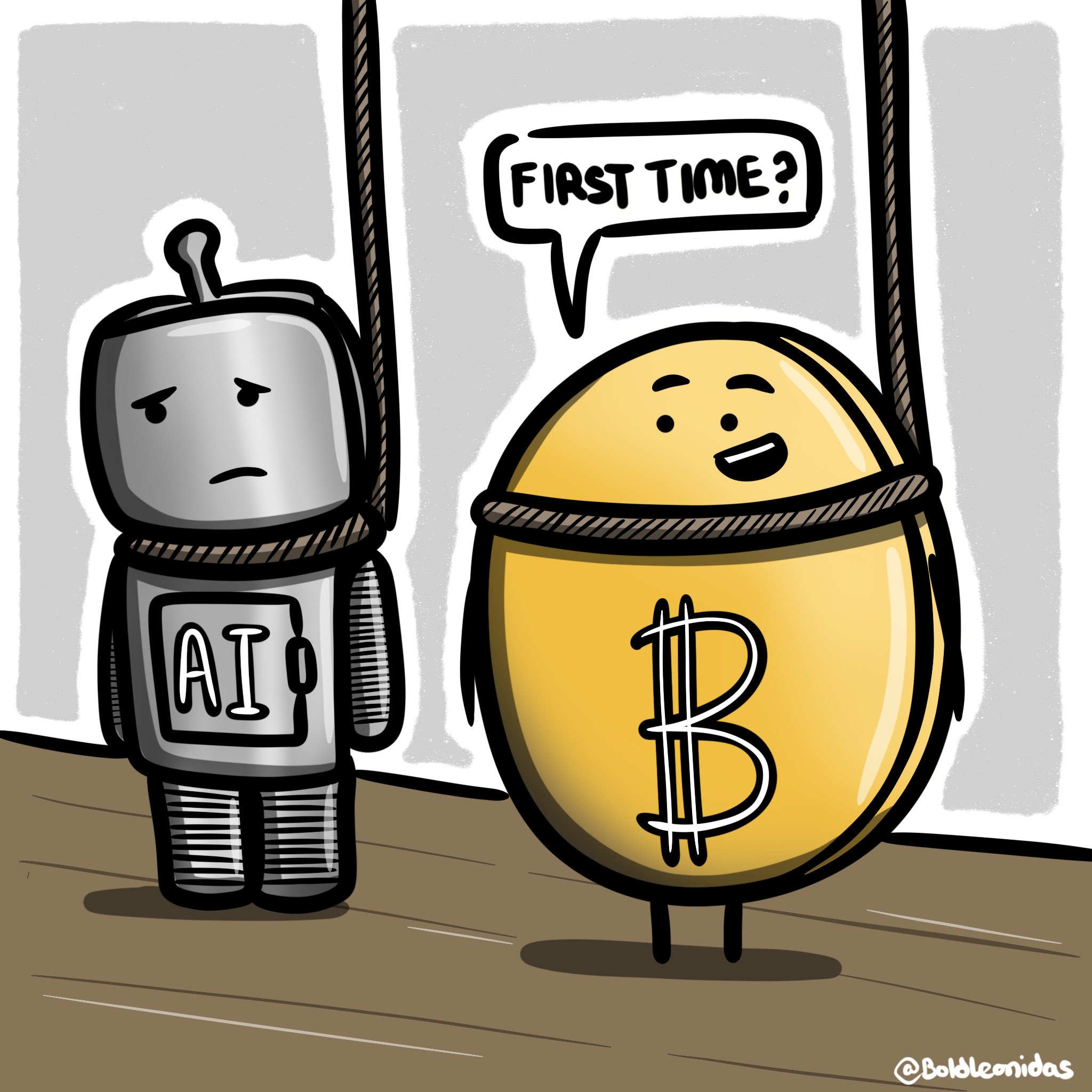
😂 Meme
Until next time,
Edgy
Today's email was written by Edgy and Yayya.
DISCLAIMER: I'm NOT a financial advisor. This content is for education and information purposes only. Crypto and DeFi are risky and speculative. Please do your research before investing.
Whenever you're ready, here's how we can help you:
- 🚀 The DeFi Edge Ventures - We identify, invest, and help amplify DeFi Protocols that positively impact the Crypto space.
EdgyWrites The DeFi Edge every Thursday
Next issue ·
Get the next issue in your inbox
One short email a week: what happened in DeFi, what it means, and what Edgy is watching next. Free, about 7 minutes, no shilling.
Your inbox, every Thursday

15,000+ readers, including people at
“Very well curated, non chaotic.”
Reader survey